 Irvine residents are fortunate to be surrounded by more than 10,000 acres of wilderness. The City’s Open Space Preserve consists of an extensive trail system that is enjoyed by not only Irvine residents, but by thousands of Orange County residents.
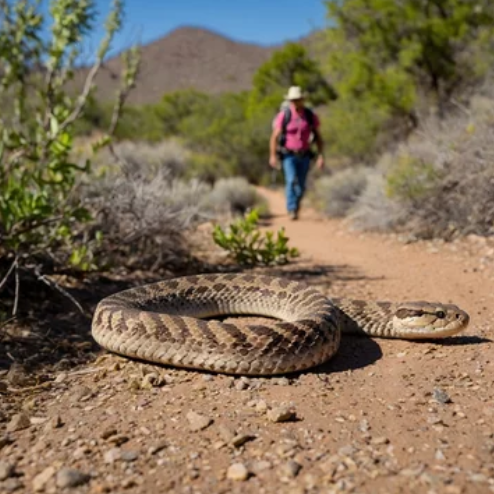
The Open Space Preserve is home to a wide variety of wildlife — including rattlesnakes — which is why it’s critical to use caution when hiking or biking.
Snakes typically make their homes in fields, trails, and other open areas. However, Irvine residents have also reported seeing snakes in their backyards.
Rattlesnakes are most active between spring and fall, when temperatures are warmer. If left alone, they present limited risk to others. However, they can suddenly bite if touched or if they feel threatened.
In early February, a 25-year-old Costa Mesa man was mountain biking along the Quail Hill Trailhead in Irvine’s Open Space Preserve. While waiting for a friend to catch up, the man began adjusting his shoe, lost his balance, fell into some brush, and was bitten in the leg by a rattlesnake. Although he tried to bike to safety, he was apparently overcome by the effects of the venom. The Orange County Fire Authority transported the victim to a nearby hospital where he tragically fell into a coma and later died. We share in the family’s grief of losing someone so unexpectedly, and so young.
In early March, a second victim — a 46-year-old woman hiking along a trail in Ventura County — died from a rattlesnake bite.
The Centers for Disease Control reports that of the estimated 7,500 venomous snake bites in the U.S. each year, about half are rattlesnake bites.
According to the California Department of Fish & Wildlife, rattlesnakes are the only venomous snakes in Southern California. While rattlesnake bites are extremely rare, it’s important to learn how to identify venomous snakes, how to lower your risk of being bitten, and what to do if you are bitten.
Here are a few simple guidelines we have obtained from the Centers for Disease Control, the California Department of Fish & Wildlife, the American Academy of Pediatrics, and the Boy Scouts:
- Heed posted signs warning of snake habitats.
- Stay on designated trails.
- Do not hike alone, if possible.
- Inspect the ground while you are walking.
- Avoid tall grass and dense vegetation.
- If you are hiking in a high-risk area, wear long pants, socks, and thick boots.
- Always carry a fully-charged cell phone.
- Use flashlights or headlamps when hiking/biking at night. (Snakes tend to be more active when temperatures cool down in the early evening hours.)
- Watch where you step or place your hands, especially near rocks or brush.
- Keep dogs on a leash.
- When golfing, use caution before going into the rough. (Finding a lost ball is not worth the risk of a snake bite.)
- If you encounter a snake, give it plenty of space.
- Never attempt to approach, touch, or move a snake, even if you think it is dead. (Snakes can recoil and move their heads much faster than we can react in defense to a potential bite.)
VENOMOUS BITE SYMPTOMS
Victims of venomous snakebites may experience pain at the site, swelling, tissue damage, and bleeding. (Bleeding can occur because the venom interferes with blood clotting.) Symptoms also include nausea, vomiting, difficulty breathing, confusion, dizziness, and fainting.
WHAT TO DO IF BITTEN
Remain calm, take a photo of the snake (if it is safe to do so), move to a safe location, and call 911 for immediate medical help. Remove rings, watches, and tight clothes before tissue swelling occurs. Clean the area if you have soap and water.
Keep the bite site below your heart and remain as still as possible to reduce the spread of venom.
Many veterinarians now carry rattlesnake antivenom and vaccines for dogs and other pets. Contact your veterinarian for more information.
WHAT NOT TO DO
Do not apply ice or heat, cut the bite, suck out venom, or use a tourniquet after a snakebite. Do not take medications, and do not consume alcohol or caffeine. Because the victim may be dizzy and could faint, driving to the hospital could be hazardous — do not drive yourself to the hospital.
Resources:
American Academy of Pediatrics (Healthy Children): Snake Bites: Information for Families.
Journal of the American Medical Association: Venomous Snakes & Snakebites
Boy Scouts of America: Snake Bites
California Department of Fish & Wildlife: Rattlesnake Conservation & Management
California Poison Control: Rattlesnakes
Irvine Police Department: California Native Snake Information

Chris Koutures, MD, FAAP grew up here in Irvine. He is a dual board-certified pediatric and sports medicine specialist who practices at ActiveKidMD in Anaheim Hills. He is a team physician for USA Volleyball (including participating in the 2008 Beijing Olympics); the U.S. Figure Skating Sports Medicine Network; Cal State Fullerton Intercollegiate Athletics; and the Chapman University Dance Department. He offers a comprehensive blend of general pediatric and sports medicine care with an individualized approach to each patient and family.
- Surf Smarter: Common Surf Injuries and How to Prevent Them - June 14, 2026
- Keeping Kids Safe at the Pool - May 2, 2026
- Protect Yourself & Others from Snakebites - April 5, 2026