
In a previous article, we focused on the dramatic increase in collisions and severe injuries that local police officers and trauma surgeons are witnessing related to youth operating electric bikes (e-bikes).
 We also want to alert parents about the dangers of electric scooters (e-scooters) since they are being marketed to very young children.
E-scooters present significant dangers to children due to high speeds (15–30 mph), small wheels that are susceptible to road hazards, and the lack of rider protection.
Know the Law
For years now, California law has required operators of e-scooters to possess a valid California driver’s license or instruction permit. State law prohibits e-scooters on sidewalks, and sets a maximum speed limit of 15 mph.
California law also requires bicycle helmet use for all e-scooter operators under the age of 18. Compared to bicycle riders, published studies show that helmet use among operators of e-scooters is significantly low, around 5%.
The failure to wear a helmet when operating an e-scooter can result in life-altering injuries and even death. In fact, studies show that those involved in e-scooter crashes who are not wearing a helmet are three times more likely to require an emergency room admission. And almost half of e-scooter crashes result in some form of head/brain trauma.
Even though the law in our state is clear, the parking lots at our local elementary and middle schools are filled with e-scooters. That’s why it’s so important to remind students — and their parents — of these potentially life-saving laws.
E-Scooters on College Campuses
 E-scooters have become very common on our local college campuses, offering a convenient mode of transport. Students who do not live on campus can easily fit an e-scooter into the trunk of their car and use it on the campus.
Unfortunately, there are currently no helmet mandates in California for e-scooter operators 18 years of age and older. As a result, we have discovered that very few college students at UCI and Cal State Fullerton who operate e-scooters are wearing helmets. Many students simply strap their helmets to their backpacks rather than on their heads.
This somber reality resulted in a tragic event last fall when a truck struck e-scooters operated by two women’s soccer players at Cal State Fullerton (CSF). The crash left one student dead, and another with a severe traumatic brain injury. Neither student was wearing a helmet when the crash occurred. This tragedy was especially personal for Dr. Koutures, who serves as a team physician for Cal State Fullerton Intercollegiate Athletics.
After the crash, CSF women’s head soccer coach Demian Brown implemented a rule requiring all of his players to wear helmets whenever they ride e-scooters and e-bikes. The coach has also shared his commitment to keeping athletes safe on and off the field with coaches in all CSF athletic programs and throughout the NCAA. As a result, several NCAA coaches have reached out to Coach Brown to let him know that they are following his lead by implementing their own helmet mandates.
We want to publicly thank Coach Brown for his remarkable leadership. He is proving that one person can make a difference.
As physicians we know that helmets save lives. We also know that one more preventable death is one too many.
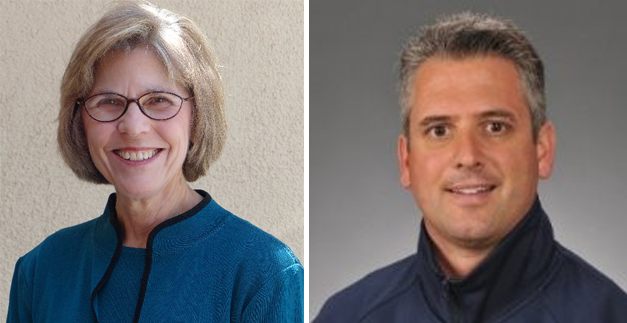
Chris Koutures, MD, FAAP grew up here in Irvine. He is a dual board-certified pediatric and sports medicine specialist who practices at ActiveKidMD in Anaheim Hills. He is a team physician for USA Volleyball (including participating in the 2008 Beijing Olympics); the U.S. Figure Skating Sports Medicine Network; Cal State Fullerton Intercollegiate Athletics; and the Chapman University Dance Department. He offers a comprehensive blend of general pediatric and sports medicine care with an individualized approach to each patient and family.
- Protect Yourself & Others from Snakebites - March 31, 2026
- E-Scooter Safety Concerns - March 9, 2026
- Prevent a Holiday Illness by Ensuring Your Family is Vaccinated Against Preventable Diseases - December 18, 2025